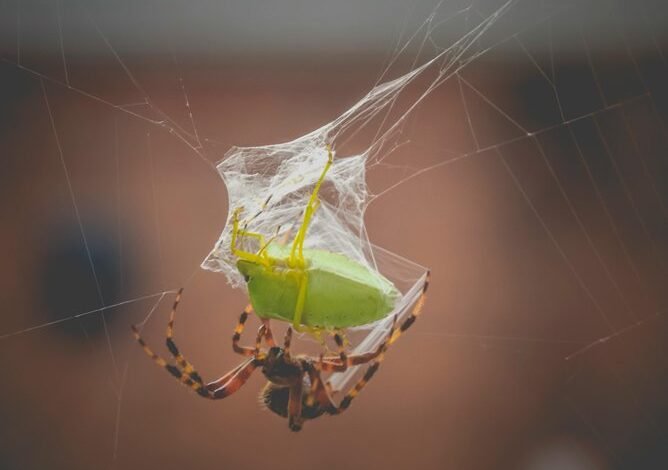
The Brazilian wandering spider, often labeled as the world’s most dangerous spider, is a subject of significant interest in arachnology. Its habitat spans warm, humid regions of South America, where its aggressive behavior poses potential risks to humans. While its venom can cause severe medical complications, this spider also plays an essential role in the ecosystem. Understanding its behavioral patterns and ecological significance is crucial for addressing the myths surrounding its threat. What lies beneath this dangerous facade?
Habitat and Distribution
Although the most dangerous spider species can be found across various continents, their specific habitats and distribution patterns are influenced by factors such as climate, vegetation, and human activity.
Habitat preferences reveal a tendency for these spiders to thrive in warm, humid environments, while their geographical range is often restricted by urbanization and agricultural development, impacting their survival and proliferation.
Behavior and Aggression
The behavior and aggression of the most dangerous spider species are closely linked to their survival strategies and environmental interactions.
These spiders exhibit aggressive displays to deter potential threats and assert dominance over territories. Territorial behavior is crucial, as it minimizes competition for resources.
Understanding these dynamics reveals the intricate balance between aggression and survival in their natural habitats.
Venom and Medical Effects
Venom constitutes a critical factor in the survival of the most dangerous spider species, serving as both a tool for predation and a defense mechanism against threats.
The venom composition includes various enzymes and peptides that can have profound medical effects, leading to potential treatments for conditions such as pain and inflammation.
Ongoing research aims to harness these properties for innovative medical treatments.
Myths and Misconceptions
Misunderstandings surrounding the most dangerous spiders often overshadow their biological significance and ecological roles.
Common misconceptions, rooted in mythical origins, exaggerate their threat to humans. For instance, the fear of aggressive behavior misrepresents their typically reclusive nature.
Such inaccuracies hinder appreciation for their contributions to pest control and biodiversity, emphasizing the need for a more informed perspective on these often-misunderstood arachnids.
Conclusion
In summary, the Brazilian wandering spider, often painted as a villain in nature’s narrative, serves a vital ecological role despite its formidable reputation. While its venom can elicit significant discomfort and requires medical attention, the spider’s contributions to pest control underscore its importance in maintaining ecological balance. By reframing our understanding, we can appreciate this creature not merely as a source of fear, but as a fascinating participant in the intricate tapestry of life.